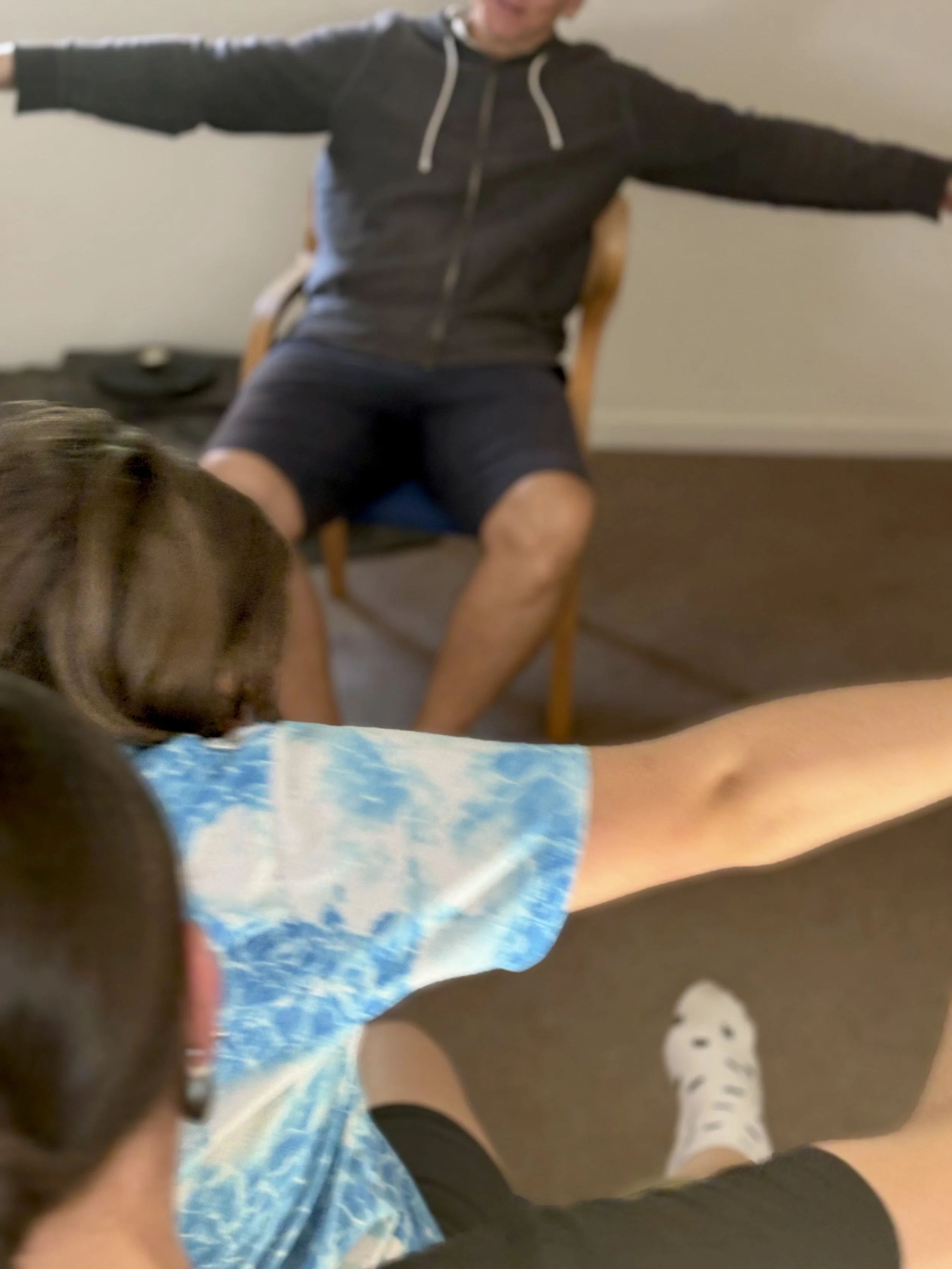
Movement Foundation Workshops
For parents, professionals and practitioners
For Parents, Carers and Health Professionals
Functional integration through movement is essential for developing a strong sense of self - knowing who we are and where we are in relation to the world around us.
By working with the child’s innate ability to move, and subltly engaging the proprioceptive, vestibular, and kinaesthetic systems, we strengthen the foundations of everyday functioning. Movement and the implicit sensory systems underpin balance, coordination, body awareness, spatial orientation, and purposeful movement, all of which contribute to increasing embodied confidence.
When the whole self functions in harmony, individuals are better equipped to engage, learn, communicate, and navigate daily life with more agency.
In the workshop you will learn about fundamental foundations of movement in your child’s development.
Fundamentals Foundations:
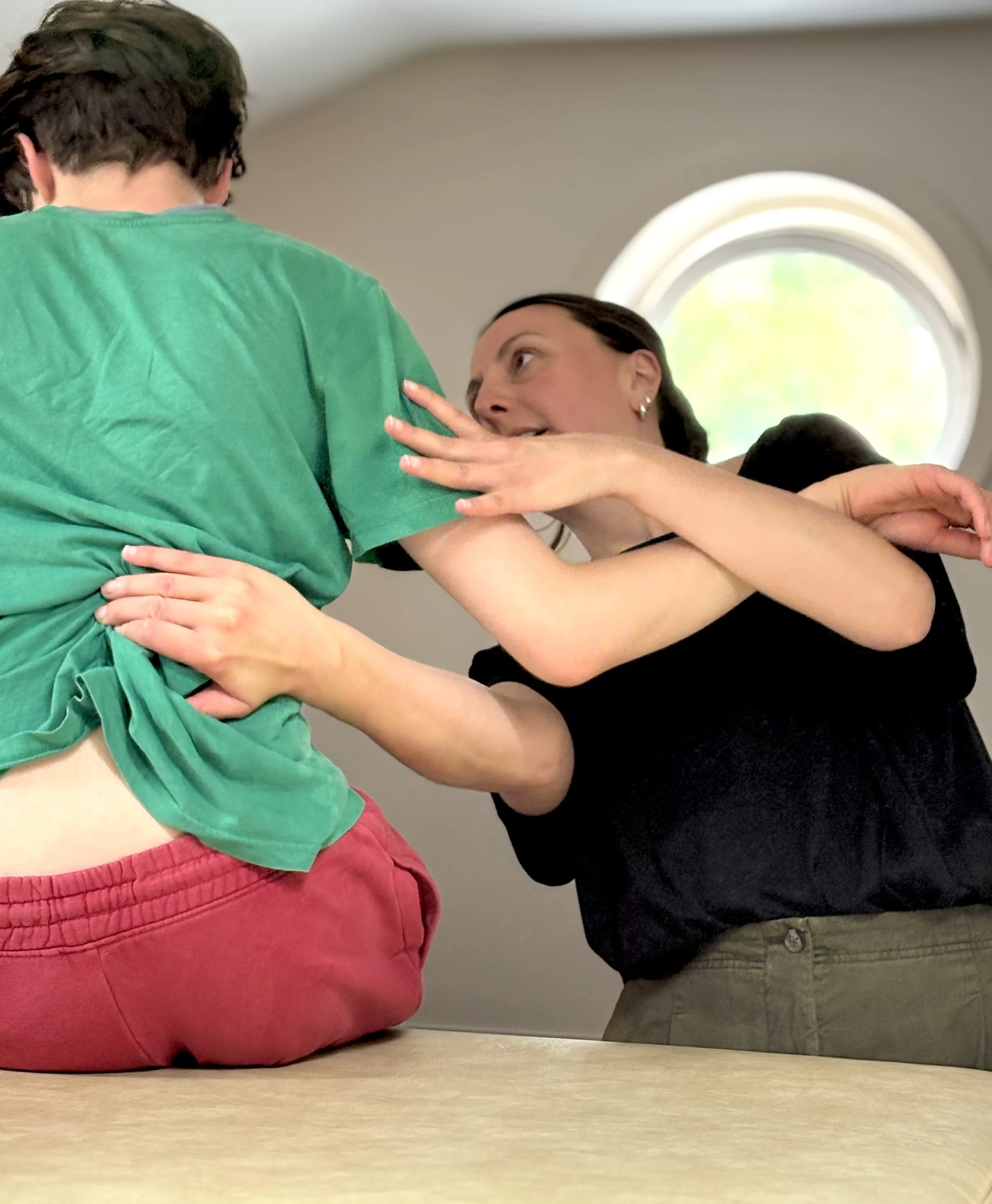
Touch as communication
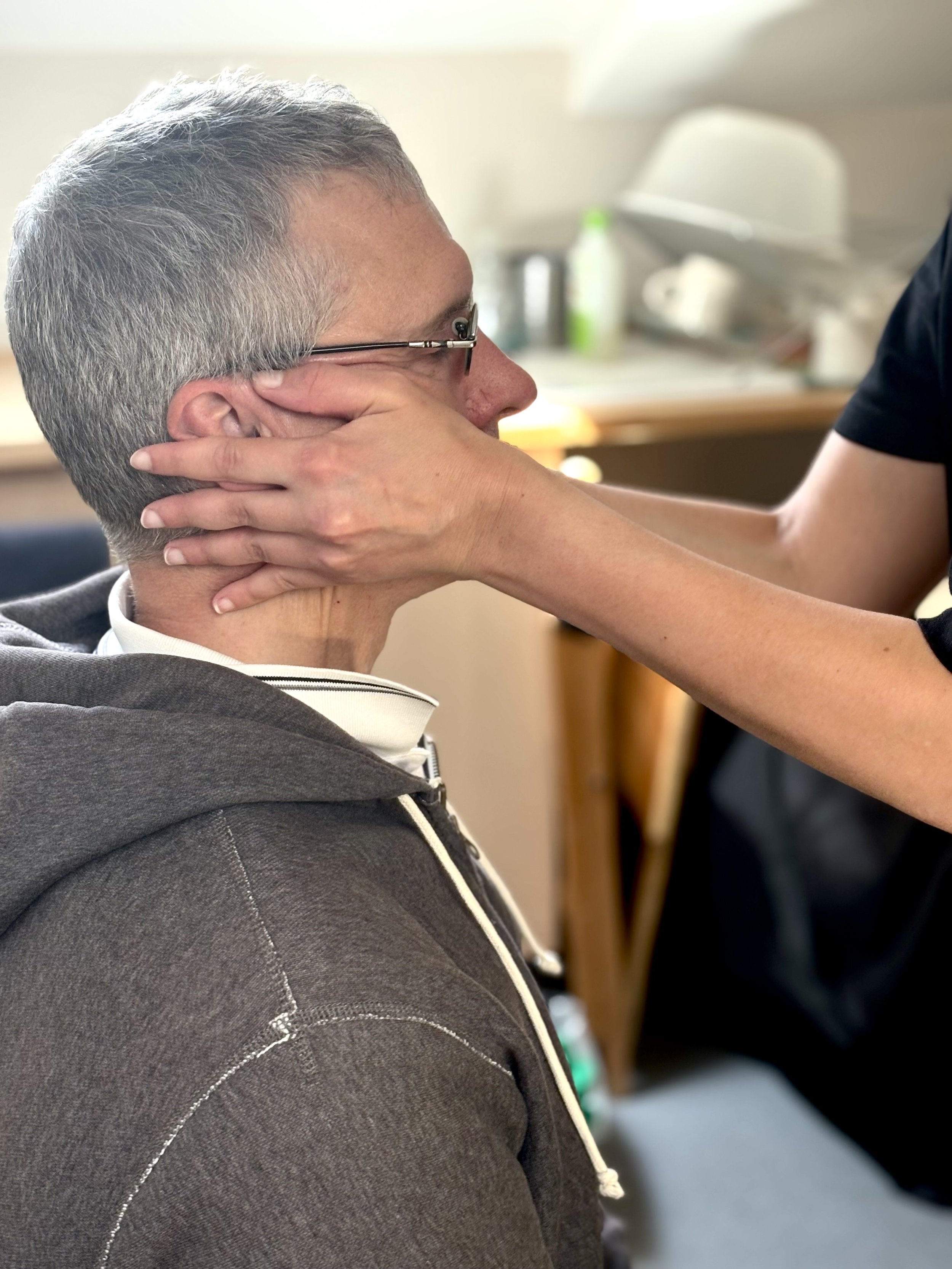
Using respectful, intentional, and clear touch as a means of communication to support learning and development. This approach is particularly valuable for children and young people whose primary way of understanding and expressing themselves is through non-verbal communication and body language.
Finding the ground and bringing the ground to the child
Supporting children to feel physically secure and well organised begins with ensuring they are comfortably and appropriately supported—both in their own bodies and through the equipment they use, such as wheelchairs, standing frames, seating systems, and sensory resources. A stable foundation enables more effective movement, learning, and participation.
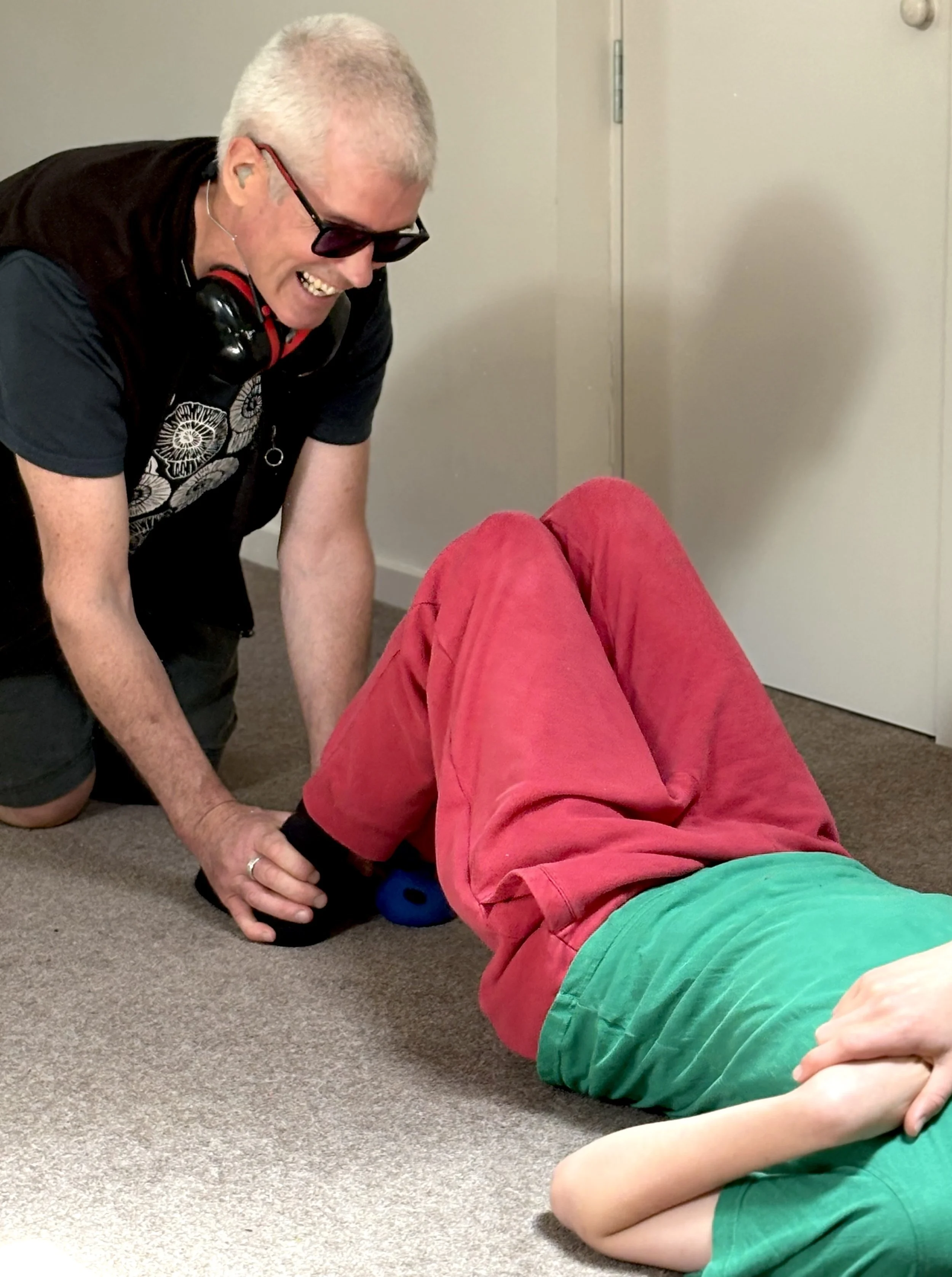
Weight shift, pressing, and lifting as precursors to movement
Understanding the biomechanics and physics of functional movement is fundamental to supporting motor development. Weight shifting, pressing, and lifting are essential movement patterns that underpin developmental progression and help children move through key developmental stages.
The senses as the stimulus for movement and orientation
Movement is driven by sensory information received through the body. the nervous systems work together to develop body awareness and support spatial orientation
-
Workshops are in person in London or online and can be tailored to your profession; physiotherapy, school, medical or health and wellbeing.
Workshops are between 2 hours - 2 days.
Contact me to start a conversation. Pricing varies depending on group size, organisation type and delivery format.
-
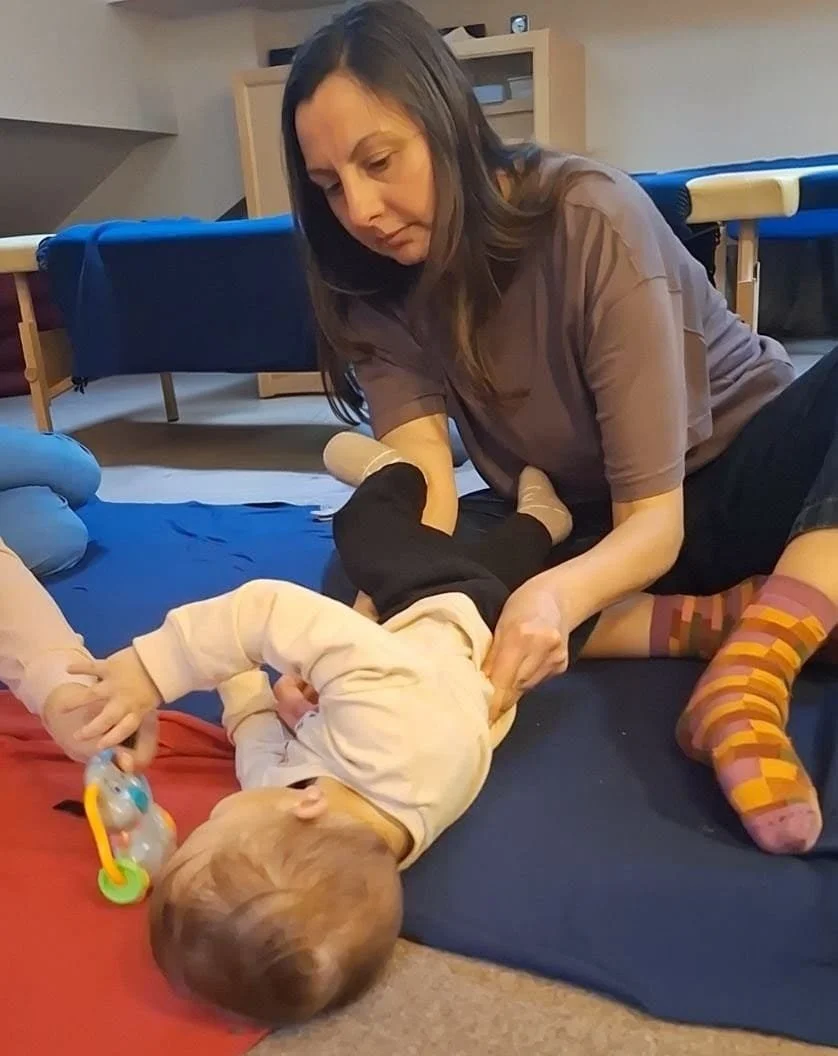
I co-ran Movement My First Language, an international project for adults who live or work with disabled children and teenagers. The project was for adults to build confidence in using movement as a means of empowering children's learning.
Advance trainings included: working with babies and children, unfolding anatomy from conception to death & bodily responses to trauma.
I have been interviewed internationally about my Feldenkrais practice and been a lead speaker and facilitator for Feldenkrais Summits. Topics have include, disability, children and teenagers.
I work with children and teenagers in my private practice, and support the parents/carers of the young people I work with.
I work in a London special needs secondary school as a Feldenkrais Practitioner.
I am a qualified Assistant Trainer.
“Lou is a warm and friendly workshop leader who effortlessly creates an experiential learning environment where participants are encouraged to create, explore, and share their ideas and discover new possibilities. In response to any questions that arise, Lou is masterful at setting up quick and simple activities with immediacy and spontaneity".
Ingrid. Movement Therapist and Occupational Therapist
For Feldenkrais Practitioners, Somatic Practitioners and Therapists
Building on what you already know about movement, touch, and implicit learning, the workshops are opportunities to develop your curiosity, thinking and sensing to work with children and teenagers.
Using the Fundamental Foundations listed above the space is an opportunity to deepen your explorations, interests and be curious about movement development
Previous workshops have explored:
Movement explorations that propel early developmental patterns
Intention and touch in the developing self image
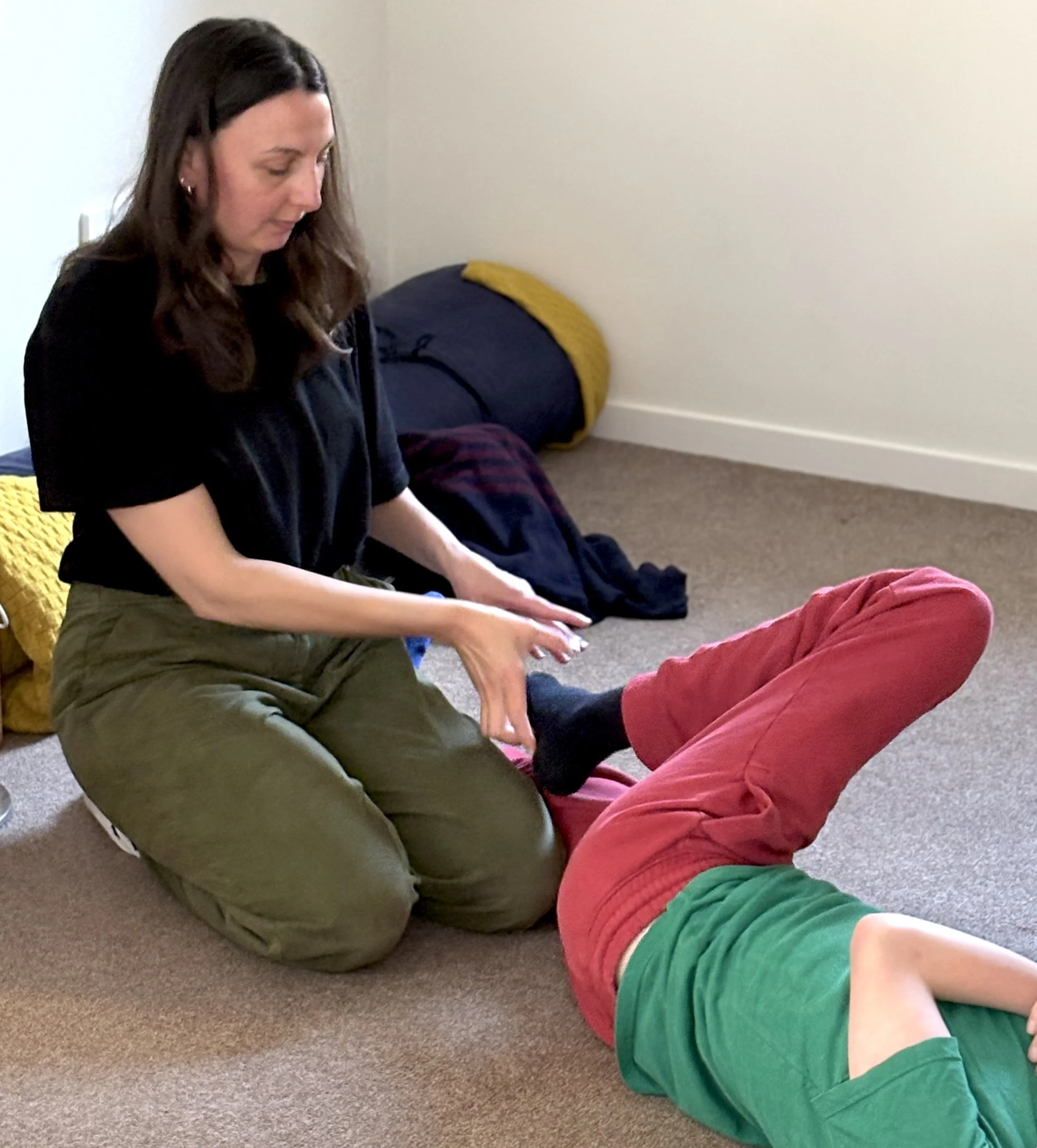
Translate what you know from working on the table to working as you move around the space following the child
Soft, implicit parts of self development that become foundations for the bigger, explicit movements in life
How to pace sessions while working with a particular request
Explore themes such as; “what is good posture?” and “how does walking and locomotion develop?”
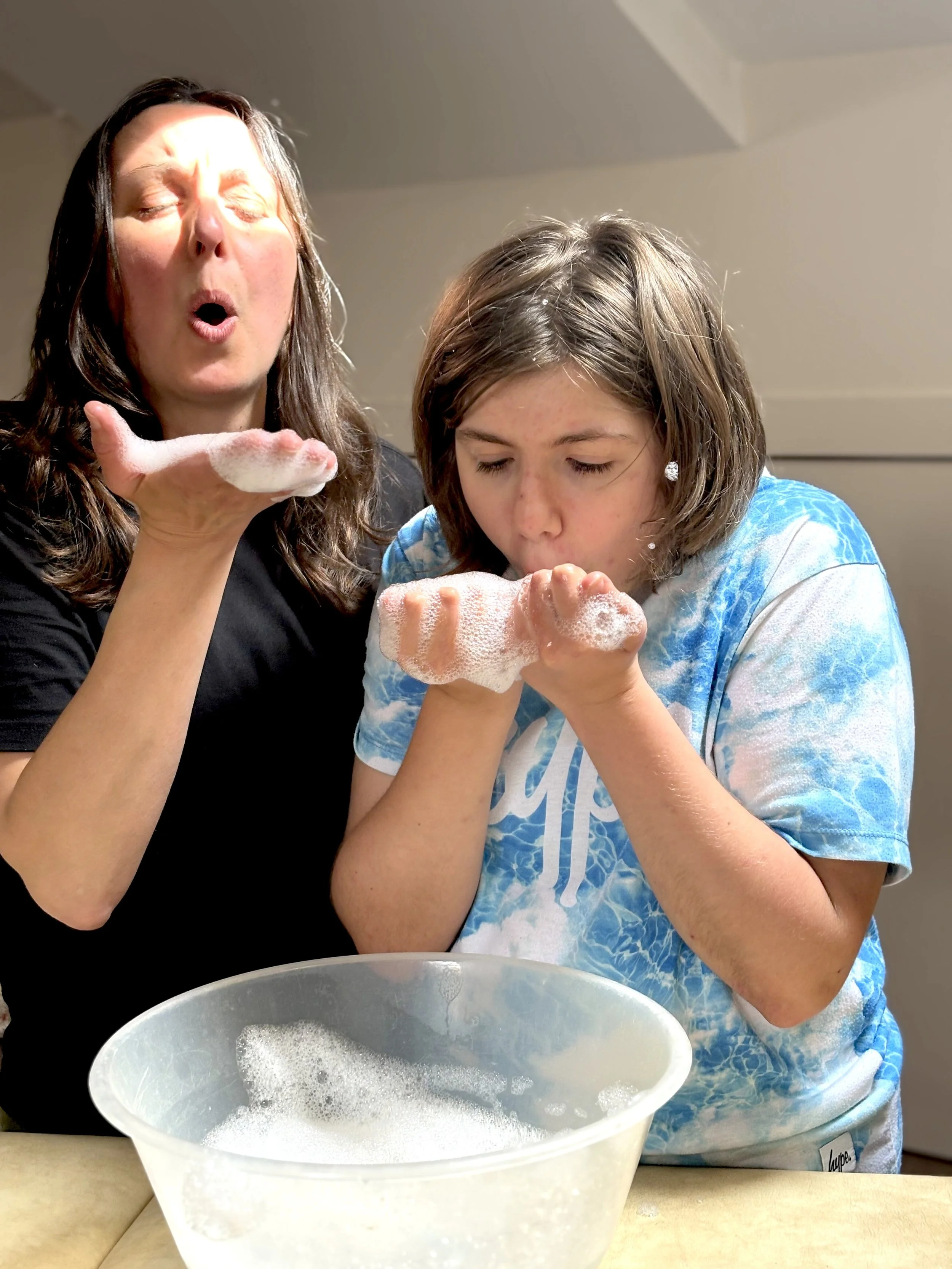
Using bubbles and blowing games to support breathing
How to work with parents, carers and adults who live and work with the child or young person you work with
Exploring medical and learning diagnoses in a Feldenkrais or through-the-body ways
“I liked how Lou helped me understand different ways of thinking about working with children who don’t want to or, can’t lie on the table.”
Sarah, Feldenkrais Practitioner